Pargolovo
Pargolovo is a summer villa destination near Petersburg that appears in the Dreamer's elaborate taxonomy of the city's seasonal exodus, representing a category of visitor marked by a reasonable and dignified air, and serving as a marker of the social and spatial hierarchies that define the Dreamer's isolation.
Place in the Summer Exodus
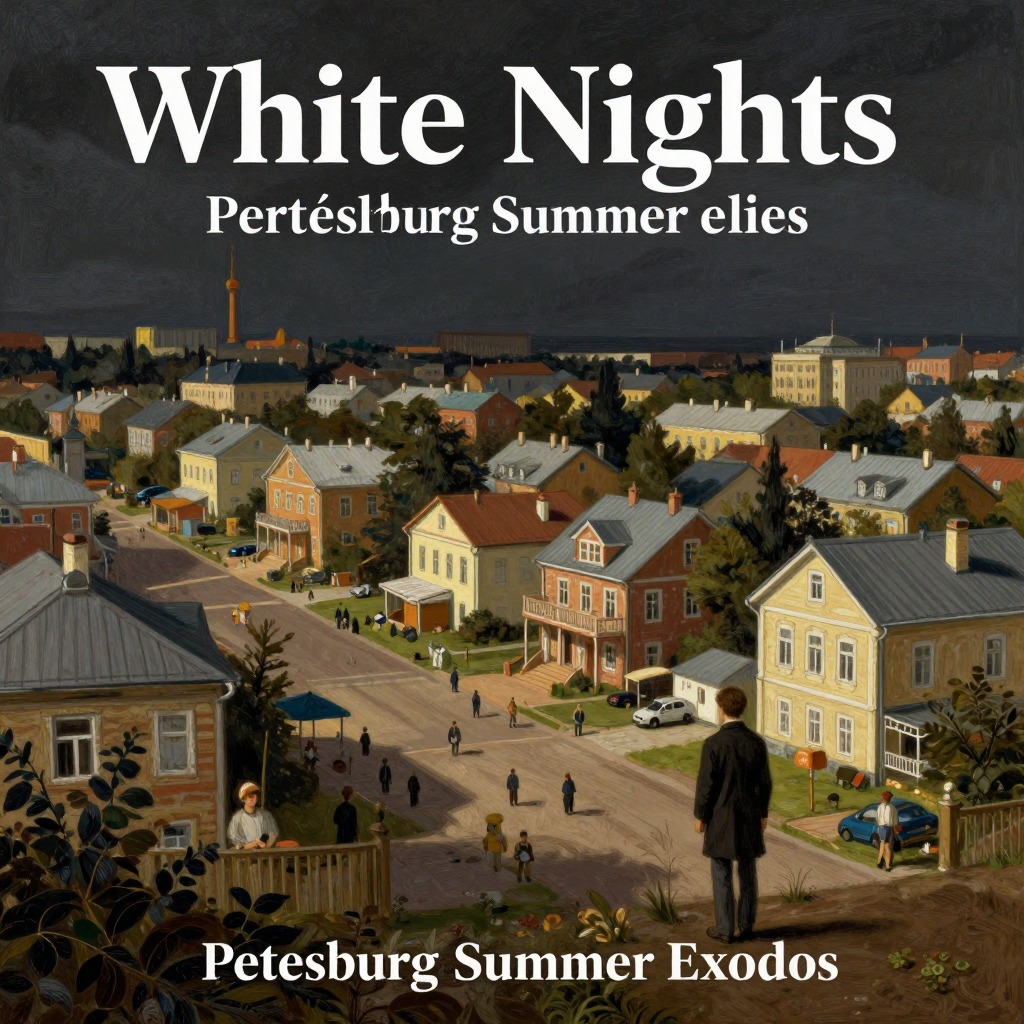
During the white nights season, when all of Petersburg packs up and moves to its summer villas, the Dreamer develops a peculiar system for distinguishing the inhabitants of different destinations by their outward manner. Visitors to Pargolovo and places further away impress one at first sight by their reasonable and dignified air, a category distinct from the studied elegance of those bound for Kamenny and Aptekarsky Islands or the Peterhof Road, and from the irrepressible gaiety of trippers to Krestovsky Island. This taxonomy reflects the Dreamer's acute observation of the city's social geography, a skill born of his profound loneliness: he knows the faces of strangers intimately, has almost struck up a friendship with an old man he meets daily on the Fontanka, and even reads the moods of houses themselves, as when a favorite light pink brick house is painted yellow, an act he calls barbarous. The exodus leaves him feeling forsaken, as though everyone is deserting him, and he wanders the town in profound dejection for three days before realizing the cause of his unease.
Narrative Significance
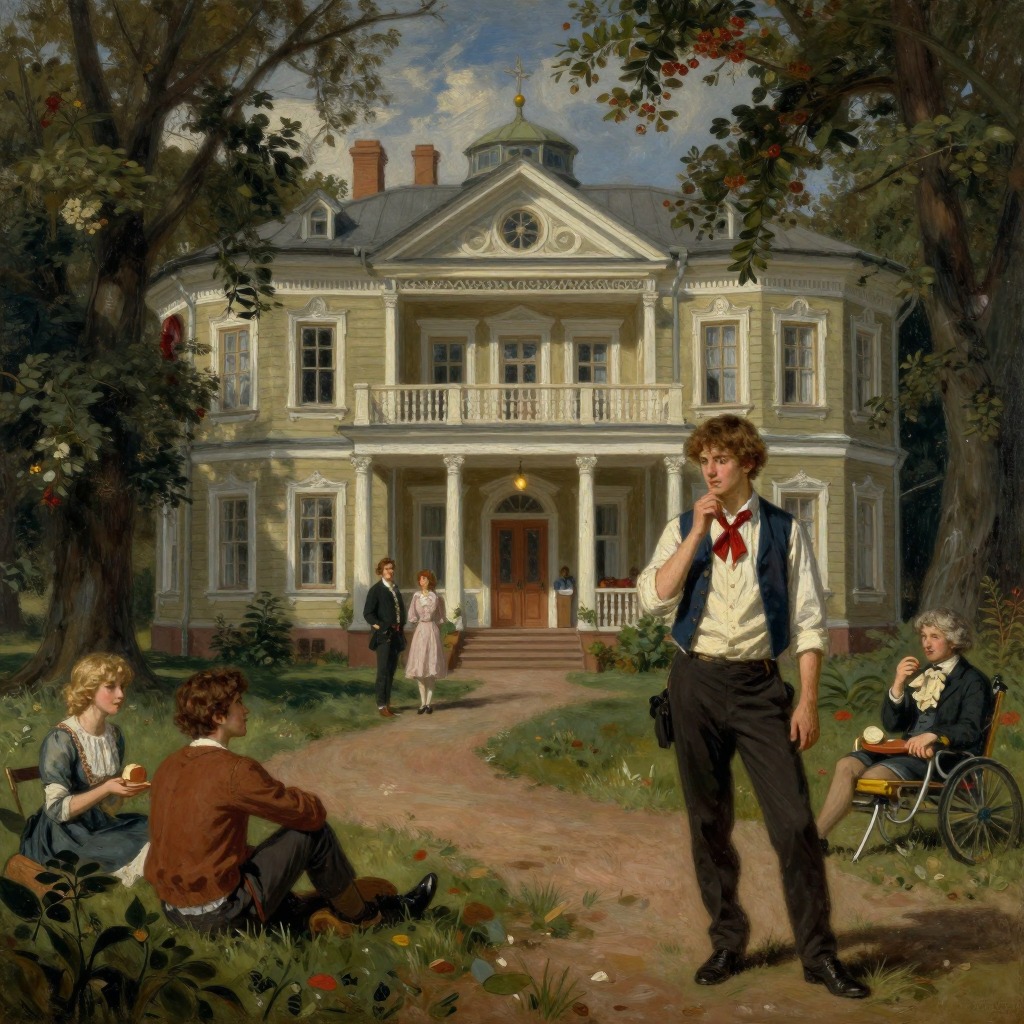
Pargolovo functions within the Dreamer's consciousness as one node in a network of places that define the social world from which he feels excluded. His ability to read the summer villa destinations from the mere air of passers-by is a symptom of his fantasy life: he has no real acquaintances, so he compensates by constructing elaborate fictions about the people he observes. The reasonable and dignified air of Pargolovo visitors contrasts with the Dreamer's own rootlessness — he has nowhere to go for the holidays and no reason to go away, and he is ready to drive off with every waggon or gentleman of respectable appearance who takes a cab, but no one invites him. This exclusion is the emotional ground from which his entire encounter with Nastenka springs: when he finally meets her on the Canal Embankment, he tells her that he has been looking for someone for ages, and that their meeting was ordained. The specific geography of Petersburg — its summer villas, its canals, its familiar houses — is the stage on which his loneliness and his sudden, brief happiness play out.
Thematic Resonance
The mention of Pargolovo, like the other summer villa destinations, underscores the Dreamer's condition as a man who lives entirely through observation and fantasy rather than participation. He knows the houses as though they were friends, he studies the faces of strangers, he distinguishes the air of Pargolovo visitors from that of Krestovsky Island trippers — but he himself has no place in this social order. When he later tells Nastenka his history, he describes himself as a type, an original, an absurd person who lives in strange nooks of Petersburg where a different sun shines. The reasonable and dignified visitors to Pargolovo belong to a world of real life, of families and summer holidays, from which the Dreamer is permanently barred. His only access to that world is through the imagination, which he calls the Goddess of Fancy, and through the brief, intense connection he forms with Nastenka on the canal bench — a connection that ends when her lodger returns, and the Dreamer is left alone again, watching the rain fall on a grey morning.